
This guide focuses on how to identify unmarked police agency vehicles, specifically ICE vehicles, in Tucson. If you suspect ICE activity, call the Tucson Rapid Response Hotline @ 520-221-4077.
Vehicle Types
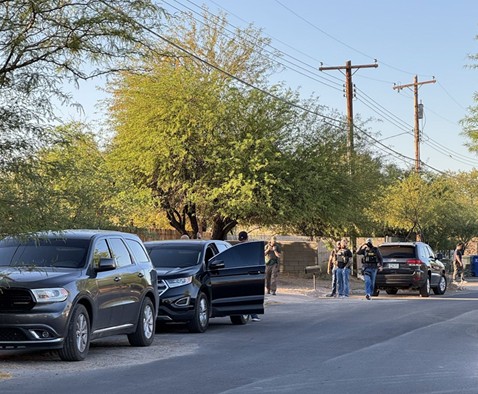
Police agencies like ICE use a wide variety of vehicle types: SUVs, pickup
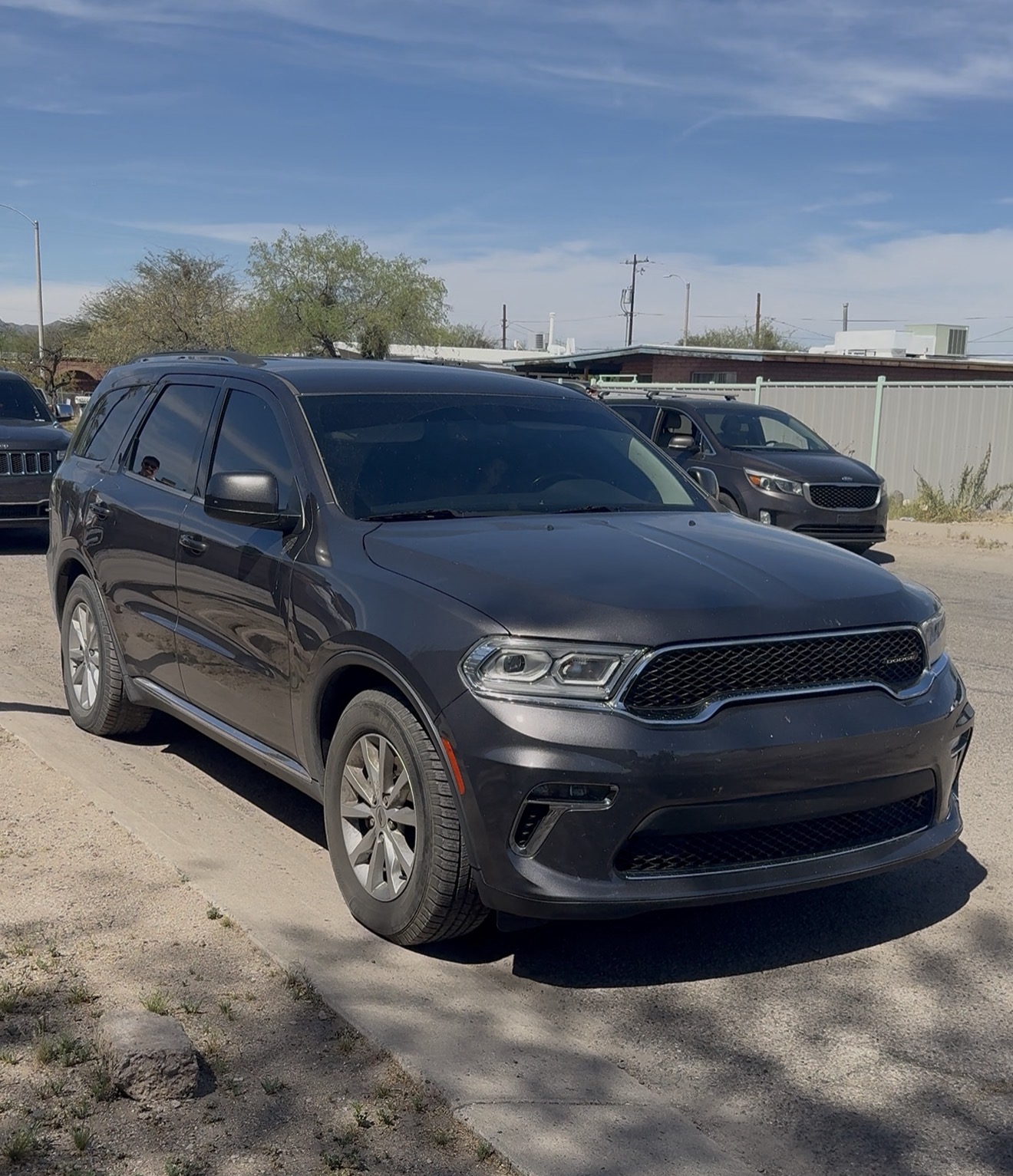
trucks, sedans, vans, hatchbacks, etc. There are nearly 50 different vehicle makes/models that have been documented in Tucson as associated to ICE or other agencies. Here are the most common ones:
- Ford F150
- Ford Expedition
- Ford Explorer
- Dodge Durango
- Chevrolet Tahoe
- Chevrolet Silverado

License Plate Patterns
Although there is no way to identify an unmarked police vehicle based on license plate alone, a few patterns have been identified through documenting these vehicles.
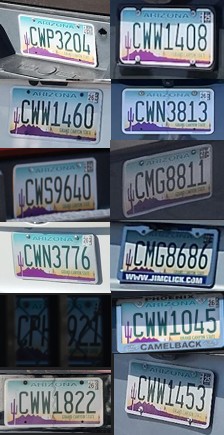
Many of these vehicles have plates beginning with the letters “CW”, like CWB, CWG, CWN, CWP, CWS, and CWW. Since 2020, rental cars in Arizona are given registrations ranging from CWL0001 to CWX9999. This means that some of the vehicles being used by ICE and other agencies are rented or leased.
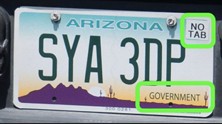
Some unmarked vehicles have the word “Government” in the bottom right corner rather than “Grand Canyon State” and do not use registration stickers. This is not common for ICE.
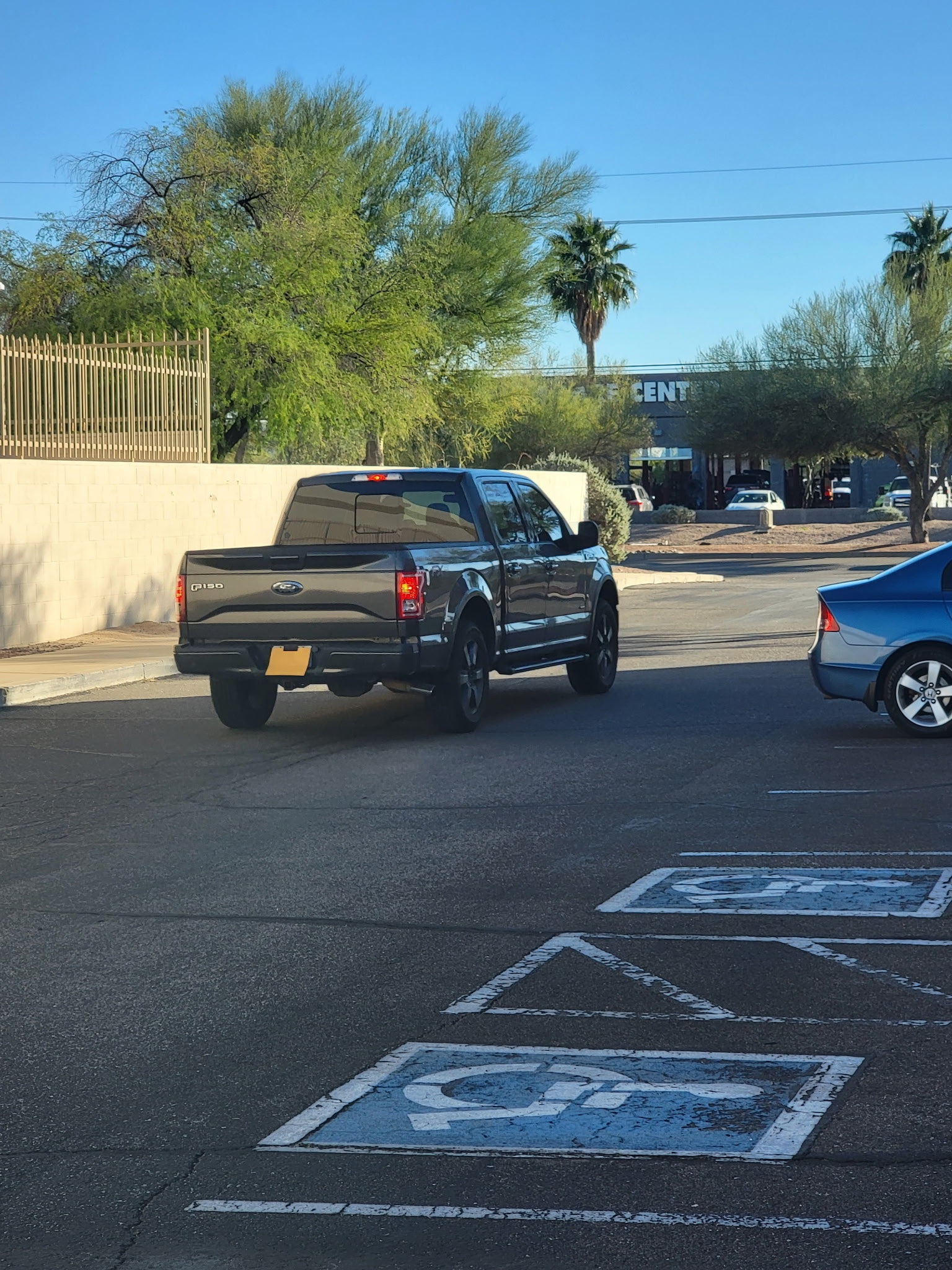
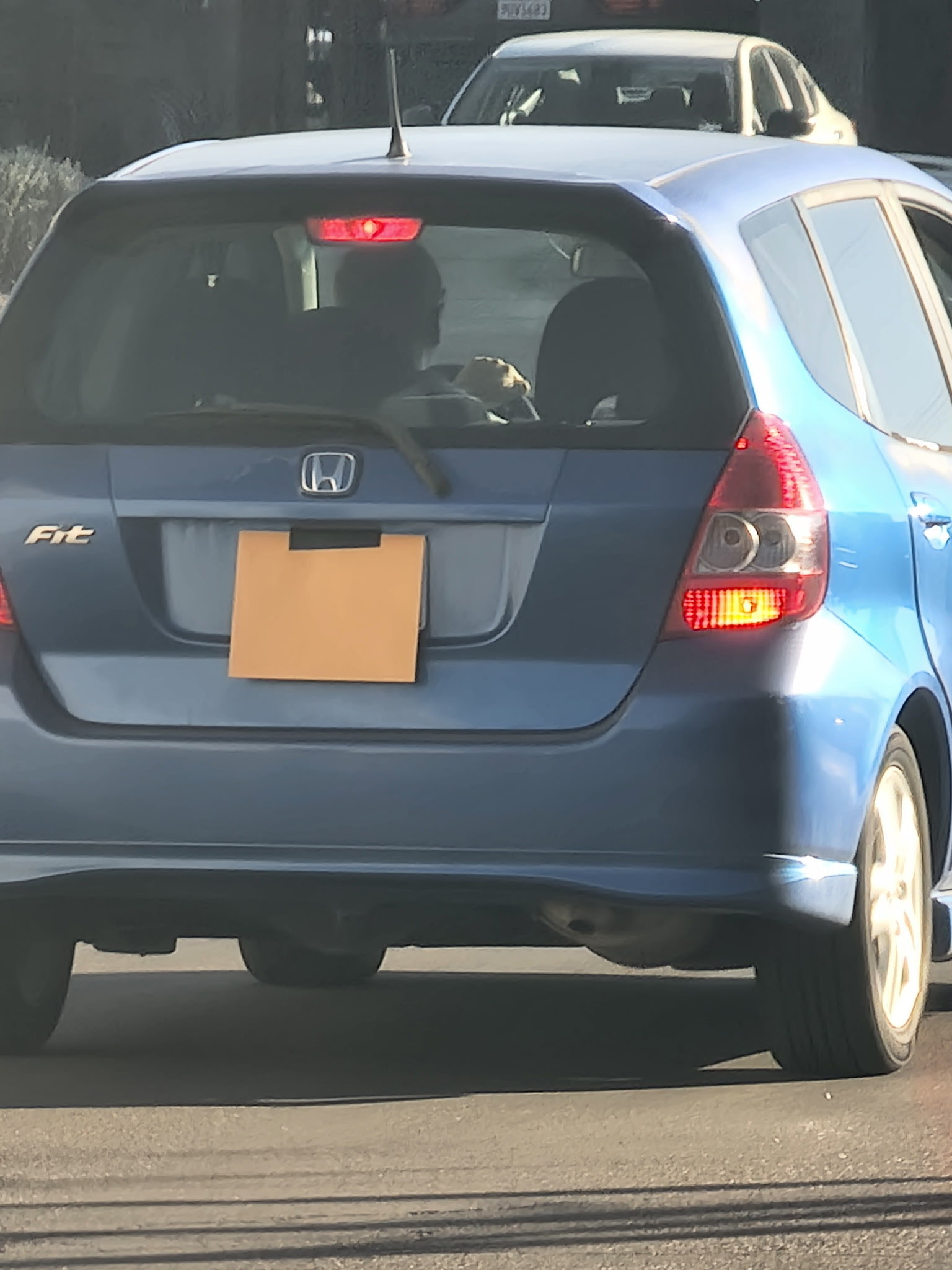
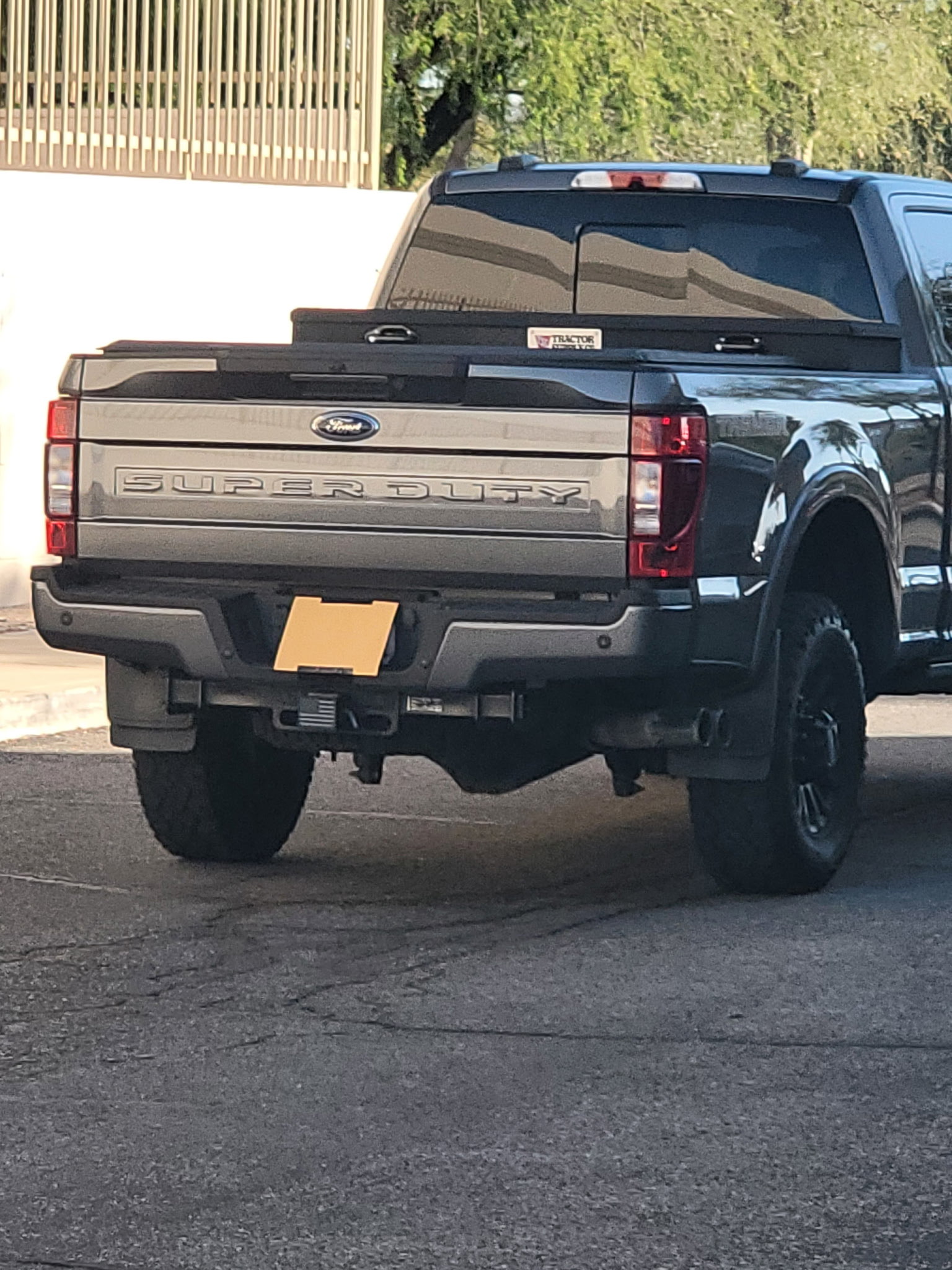
You may also find that there is an intentional attempt at obscuring the plate number by use of duct tape, paper, or complete removal.
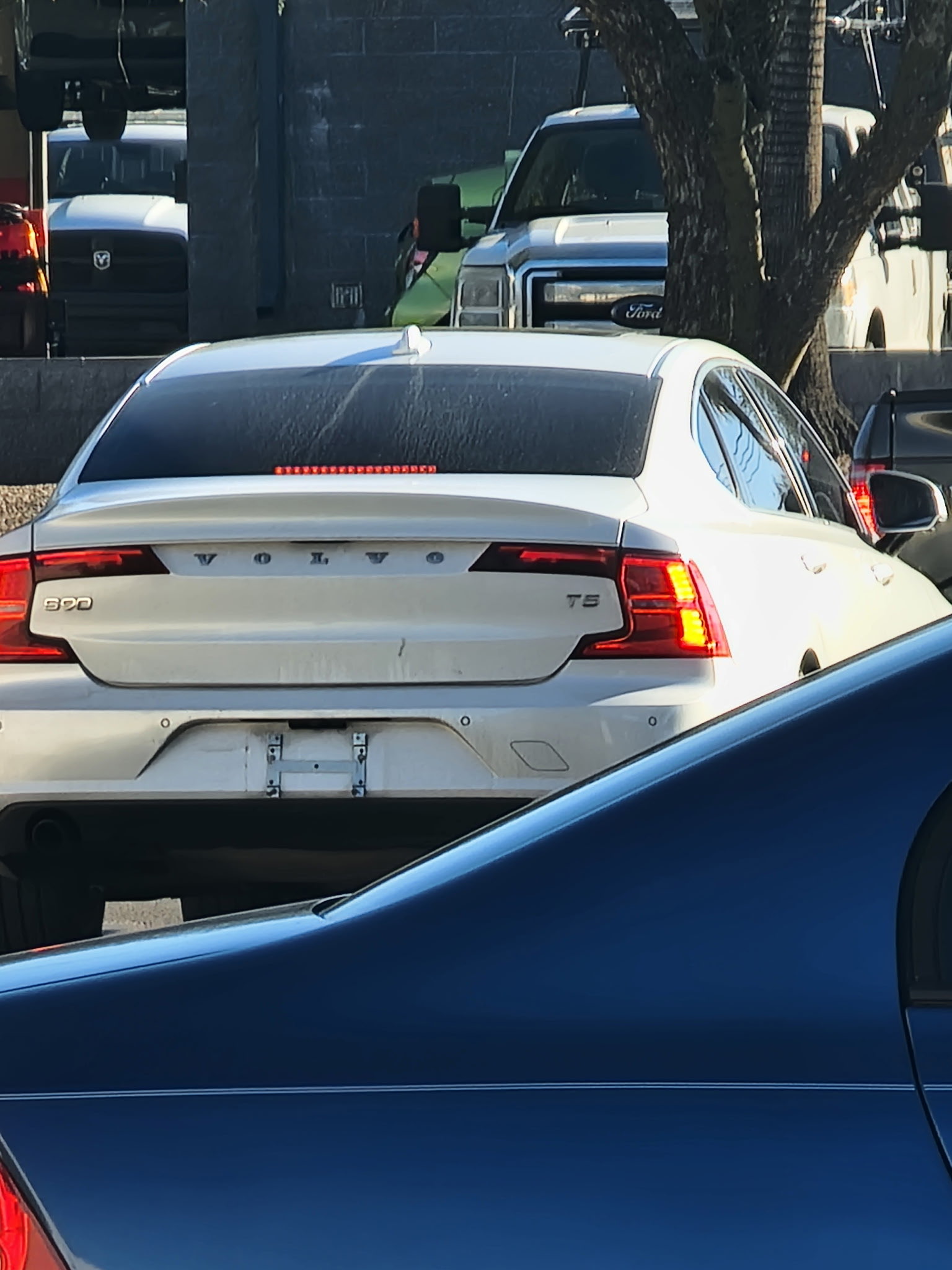
Hidden Police Lights
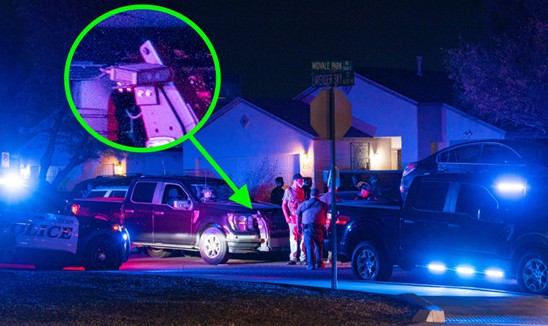
This is a feature not seen on civilian vehicles, so it can be very helpful for identifying unmarked police. However, unless these lights are on, they can be difficult to see. Here are a few places these lights can appear on vehicles.
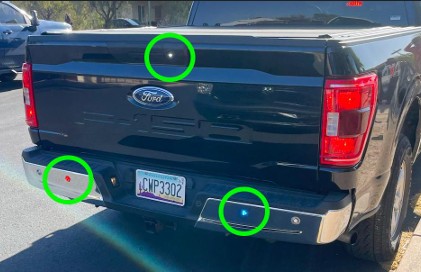
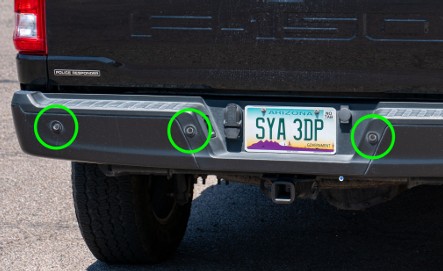
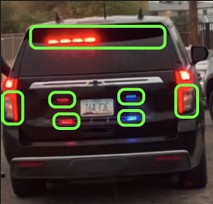
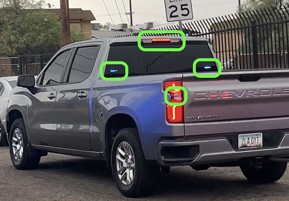
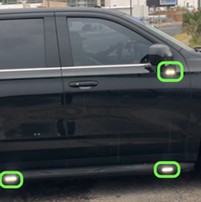
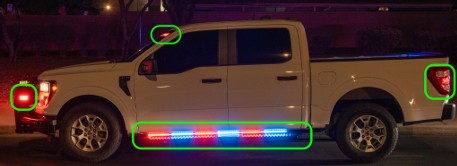
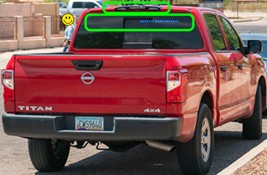
Many vehicles have small circles on their bumpers. These are parking sensors (also called “proximity sensors”), and most use ultrasonic sound waves to allow vehicles to “sense” obstacles when parking. But on some unmarked police vehicles, two or more of these sensors have been replaced by lights.
Antennas
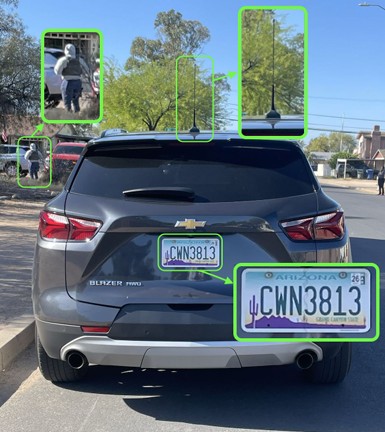
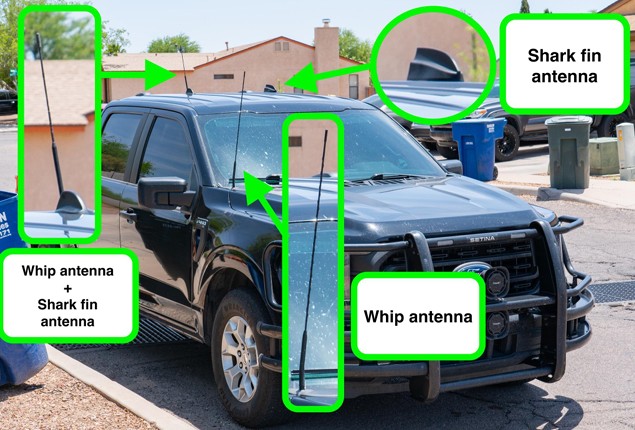
Most vehicles have antennas, but unmarked police vehicles often have more antennas than typical vehicles and types of antennas not usually seen on standard versions of that vehicle.
The two most common types of antennas are “whip” antennas and “shark fin” antennas. Sometimes these two types are combined.
Automatic License Plate Readers (ALPRs)
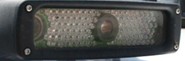
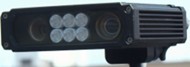
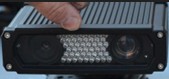
ALPRs are camera systems that automatically capture images of nearby license plates. The data collected is fed into large databases that allow police to track the movement of individuals over time. DHS/ICE/CBP uses ALPRs throughout the Southwest borderlands (and across the country), but it is still relatively rare that we see them on their unmarked vehicles in Tucson. They are more commonly spotted on vehicles belonging to other police agencies.
What to do if you suspect ICE activity…
Call the Tucson Rapid Response Hotline @ 520-221-4077: Provide as much detail as you can to those who answer the hotline and they will send observers.
Record vehicles and agents: Try to photograph/record from multiple angles if possible. Avoid capturing bystanders.
Notify trusted friends/affinity groups of your location: In the event you are detained, you want your allies to know where you were so they can support you appropriately.
Don’t jump to conclusions: The best way to be certain that you have found an unmarked vehicle is to actually observe it being used by an agent. When you are looking for unmarked vehicles, it can be easy to suspect that every vehicle is one.
 Desert Rising Tucson